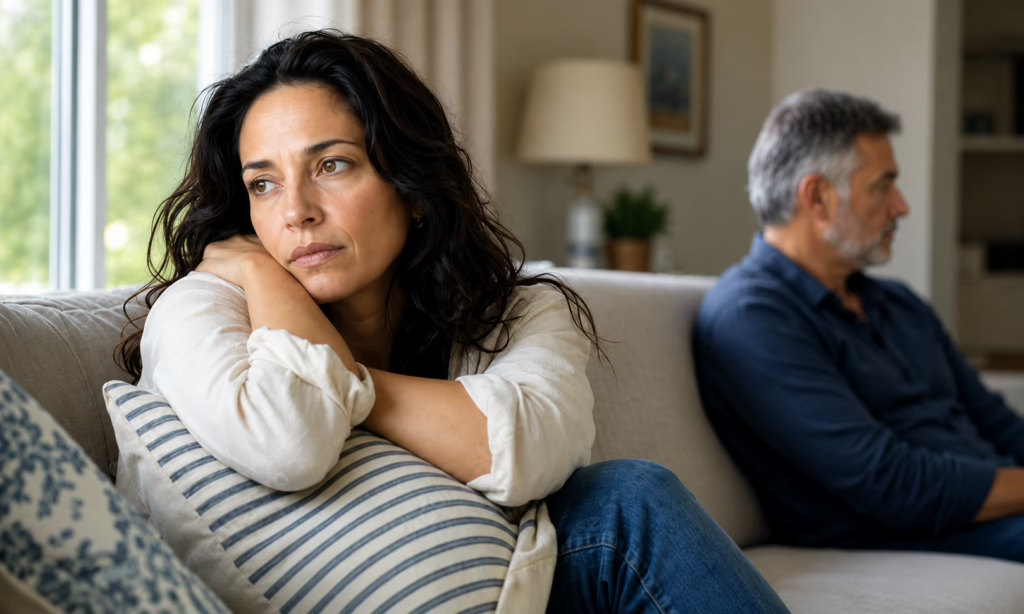
You teared up at a TV ad you’ve seen a hundred times. By lunchtime you’d snapped at someone over something small. By evening you felt strangely flat and far away. If your emotions seem to have a mind of their own lately, you are not “too much” — and you are not imagining it. Sudden, swinging moods are one of the most common (and most dismissed) signs of perimenopause.
Why perimenopause affects your mood
In the years before your final period — perimenopause — your oestrogen and progesterone no longer rise and fall in a predictable monthly rhythm. They fluctuate, sometimes dramatically, from day to day. Oestrogen helps regulate brain chemicals such as serotonin that influence mood, so when oestrogen swings, your mood can swing with it. Broken sleep, night sweats and the mental load of midlife all add to the picture.
What perimenopausal mood changes can look like
- Tearfulness or crying easily, often over small things
- Irritability or sudden flashes of anger
- Anxiety or a feeling of being “on edge”
- Low mood, flatness or losing your spark
- Feeling like you’re “not yourself”
- Moods that shift quickly across a single day
When it’s more than hormones
Mood changes in perimenopause are common and treatable — but persistent low mood, loss of interest in things you used to enjoy, hopelessness, or any thoughts of harming yourself deserve prompt medical attention. Perimenopause and depression can overlap, and getting the right diagnosis matters. Please don’t wait it out alone.
How we help at The M Clinic
At The M Clinic, we start by listening properly and assessing your symptoms, history and goals. Depending on what’s right for you, we may discuss menopausal hormone therapy (MHT), non-hormonal options, and practical support for sleep, stress and lifestyle. The aim is a personalised plan that helps you feel like yourself again.
Talk to a menopause-trained doctor
You don’t have to work this out alone. At The M Clinic, Dr Kelly Needham and our team provide doctor-led perimenopause and menopause care — taking the time to listen, assess your symptoms properly, and build a plan that suits you. We see patients in-clinic on the Central Coast and via telehealth Australia-wide.
Book a consultation →
Dr Kelly Needham is a Women’s Health Doctor and the founder of The M Clinic at Coastal Goddess. She is a registered member of the Australasian Menopause Society.
This article is general information and is not a substitute for personalised medical advice. If your symptoms are affecting your daily life, please speak with your doctor. If you’re really struggling or ever feel unsafe, please call Lifeline on 13 11 14.